Gushine_POS Battery White Paper_V1_EN Download Now





Meeting real-world demands has always guided how Gushine develops each robot battery. In many industries, users expect stable output, safety protection, and predictable delivery schedules, so our team studies how robotics equipment performs throughout daily operations. By working closely with customers in logistics, healthcare, industrial terminals, and service robotics, we align our design approach with practical expectations rather than assumptions. This mindset supports our long-term cooperation with companies comparing different robot battery pack suppliers and searching for solutions built around genuine application needs.

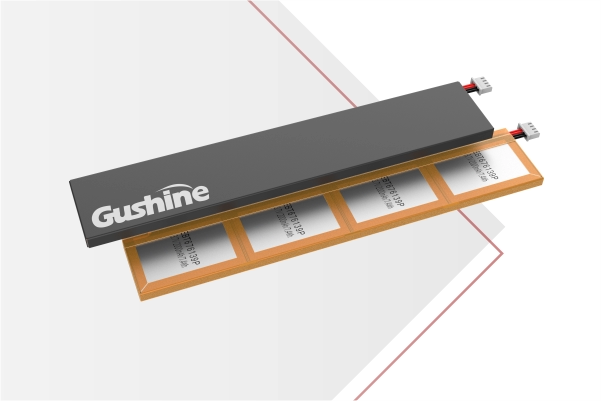
We design each lightweight power system by analyzing how a robot battery interacts with motion control, communication modules, and environmental stress. Real-time monitoring, cell balancing, and multi-temperature protection points are integrated to maintain consistent performance. Our lightweight packs emphasize precise regulation, low power consumption, and stable operation over extended cycles. These characteristics allow customers to evaluate our work fairly when reviewing choices among multiple robot battery pack suppliers, especially for devices requiring continuous uptime or exposure to vibration and temperature changes. Each configuration is shaped to support predictable behavior and long service life in demanding workplaces.
Our development and production teams operate within one workflow so we can adapt a robot battery to specific technical targets. From early requirement reviews to final verification, we maintain clear and structured communication with client engineering teams. Automated laser welding, cell-matching equipment, and U-shaped production lines allow fast response to small-batch and multi-variety orders. This production structure helps clients compare our capabilities with other robot battery pack suppliers when flexibility and delivery stability are key decision factors. By managing each process internally, we ensure that every adjustment supports long-term system reliability rather than short-term fixes.
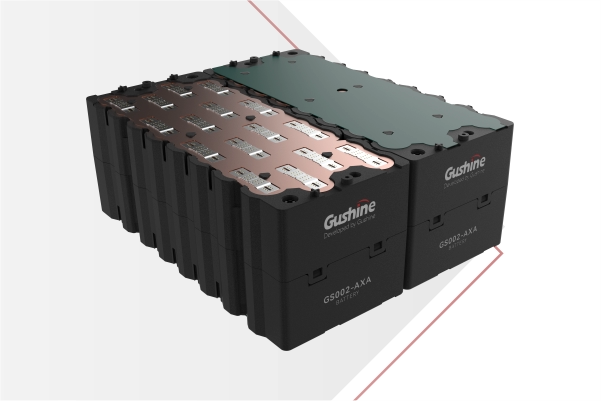
We continue improving our Lightweight Power Lithium Battery Packs to support robots used in warehouse automation, smart hardware, medical equipment, and outdoor applications. A robot battery in these scenarios requires over-discharge prevention, RTC data logging, and communication through URAT, CAN, and RS485 to maintain stable operation. Dynamic pressure differential detection, adjustable protection parameters, and strong high-temperature storage capability strengthen system safety. These design elements allow customers to assess our solutions in comparison with other robot battery pack suppliers, especially when their projects require waterproofing, dust resistance, or environmental adaptability. Customizable protection ratings support deployment across varied conditions.
We build our solutions on clear communication, engineering discipline, and attention to actual usage scenarios. When teams search for a dependable robot battery, they look for technology shaped by field needs rather than generalized claims. Our lightweight power systems reflect this principle by offering balanced performance, safety functions, and stable interaction with robotics platforms. For decision-makers reviewing options from several robot battery pack suppliers, our approach provides a steady and practical foundation for long-term integration and consistent daily operation.




 Select a language

 Safety as the Core of Reliable Medical Power Systems