Gushine_POS Battery White Paper_V1_EN Download Now





When designing custom battery solutions, one common question arises: Can you connect battery packs with different capacities? This question is particularly relevant in industries that require large-scale energy storage or high-performance systems. Connecting battery packs with different capacities can present certain challenges, but understanding these challenges and how to address them ensures optimal system performance, safety, and longevity. At Gushine, we specialize in providing customized lithium battery solutions that cater to various applications, ensuring your energy systems operate smoothly and efficiently.
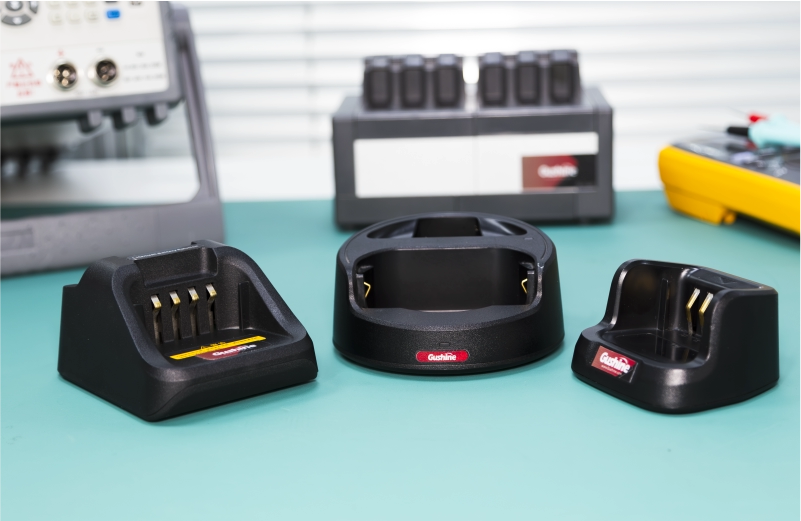
Battery capacity refers to the amount of energy a battery can store, usually measured in watt-hours (Wh) or ampere-hours (Ah). When connecting multiple battery packs, it’s crucial to understand how varying capacities affect system performance. A smaller capacity battery tends to discharge faster than a larger one, creating an imbalance in the system. This imbalance can negatively impact the overall efficiency and lifespan of the battery pack. At Gushine, we ensure that battery capacities are properly matched or balanced in our custom battery solutions, optimizing the system’s performance and preventing excessive wear on individual battery units.
In a series connection, the system’s voltage increases while the capacity remains the same. In contrast, in a parallel connection, the capacity increases while the voltage stays constant. When connecting batteries with different capacities, the system's behavior changes depending on the connection method. If batteries with different capacities are connected in series, the smaller capacity battery might be overcharged or undercharged as the system's voltage increases, potentially leading to damage. In parallel connections, the batteries charge and discharge at different rates, which can cause inefficiency and strain the system. This is why choosing the right configuration is essential when designing a system with custom battery solutions.
A Battery Management Systemis crucial when connecting batteries with different capacities. The BMS monitors the health of each battery unit, ensuring that they charge and discharge at the correct rates, thus preventing overcharging, over-discharging, and deep discharge risks. For customized lithium battery solutions, the BMS plays a vital role in balancing energy across all batteries, ensuring that they operate efficiently, even with different capacities. Without a BMS, the risk of performance degradation or failure increases. That’s why, at Gushine, we integrate advanced technologies into our battery solutions to ensure that even with differing capacities, the system runs smoothly and safely.
When connecting batteries with different capacities, charging efficiency becomes a concern. In a parallel connection, the larger batteries charge more slowly than the smaller ones, leading to uneven charging and potentially reduced efficiency. This imbalance can cause overheating or inefficiency in the system. To ensure efficient charging, a balanced charging system is essential. This system ensures that all batteries charge at the same rate, preventing smaller batteries from overcharging and larger ones from remaining undercharged. Our custom battery solutions are designed with advanced balancing features to optimize battery performance and system efficiency.
Safety is one of the most critical factors when connecting batteries of different capacities. Uneven discharge and overcharging can lead to overheating or even catastrophic failures. Ensuring that each battery unit is properly protected and that the system is designed according to strict safety standards is key to avoiding these risks. At Gushine, we prioritize safety in all our customized lithium battery solutions. Our battery packs undergo rigorous safety testing to ensure that they meet the highest standards, providing reliable and secure performance, even when batteries of different capacities are connected.
Over time, connecting mismatched batteries can lead to uneven wear and a decrease in overall system efficiency. Smaller capacity batteries tend to discharge faster than larger ones, causing them to degrade more quickly. This imbalance can lead to faster wear on the smaller batteries, resulting in a reduction in the overall lifespan of the entire battery pack. Additionally, as batteries with differing capacities charge and discharge at different rates, it can further strain the system, reducing its performance over time. By choosing Gushine’s customized lithium battery solutions, you can ensure your battery system remains efficient and durable throughout its entire lifecycle. Our design and testing processes ensure that even when batteries with different capacities are connected, the system operates at peak performance, optimizing both efficiency and longevity. With our advanced technology, we help extend the life of your battery packs, reducing the need for frequent replacements and minimizing downtime.
While it’s possible to connect battery packs with different capacities, careful design and integration are essential to ensure optimal performance. By choosing the right configuration, incorporating advanced BMS technology, and using balanced charging systems, you can ensure that your battery system runs safely and efficiently. At Gushine, we specialize in providing customized lithium battery solutions that meet your specific needs, ensuring your system performs optimally even when different capacity batteries are connected. If you are looking for reliable and efficient custom battery solutions, contact us today. Our expert team is here to design the perfect battery system for your application, ensuring long-term performance, efficiency, and safety.




 Select a language

 Exploring Battery Technologies: Are All Battery Packs Lithium-Based?