Gushine_POS Battery White Paper_V1_EN Download Now





In the world of robotics, one of the most common issues faced by manufacturers and operators is the rapid wear and tear of robotics batteries. Whether you're dealing with industrial robots, medical robots, or autonomous mobile robots (AMRs), battery degradation can lead to costly downtime and decreased efficiency. In this article, we'll explore key strategies for extending the lifespan of robotics batteries, ensuring that your robots operate at their best for longer periods.

Battery wear in robots is primarily driven by several factors: charge cycles, temperature fluctuations, over-discharge, and the type of battery used. Over time, batteries lose their capacity to hold a charge, which can significantly reduce the robot's runtime. This not only affects the operational efficiency but also increases the frequency of battery replacements, contributing to higher maintenance costs. The first step in combating rapid battery wear is understanding these factors and addressing them through proper battery management.
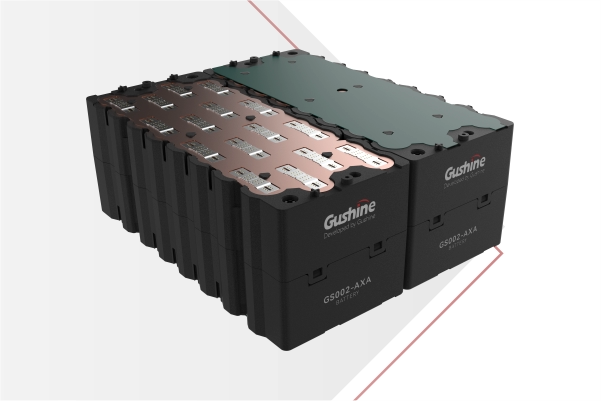
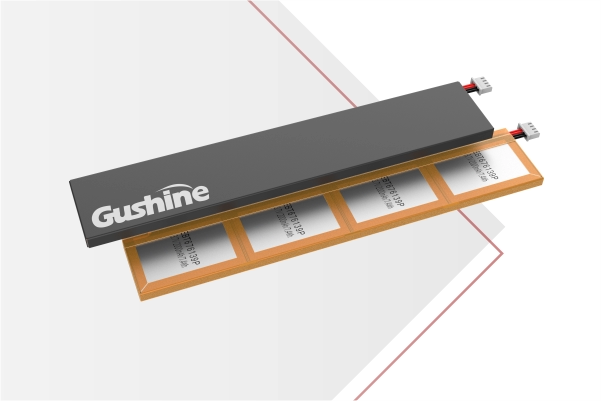
The choice of robotics battery plays a crucial role in determining how long it will last. Lithium-ion batteries are often the preferred choice for robots due to their higher energy density and longer lifespan compared to older technologies like nickel-cadmium. However, even lithium-ion batteries need to be selected carefully based on factors such as the robot’s power consumption and operating environment. At Gushine, we specialize in providing battery packs for robots that are optimized for different robotic applications. Our lightweight lithium-ion battery packs are integrated with advanced Battery Management Systems (BMS), offering superior charge/discharge cycles and enhanced safety features, which help extend the overall lifespan of the battery.
To maximize battery lifespan, it's essential to follow correct charging and discharging practices. Avoid letting the battery fully discharge or overcharge, as both conditions can lead to premature wear. Ideally, robots should be charged when the battery reaches around 20-30% of its full capacity, rather than waiting for it to be completely drained. This helps in maintaining the battery’s health and ensuring that it performs optimally for longer. Additionally, utilizing a smart charging system can regulate the charge rate, preventing excessive heat generation, which is a major contributor to battery wear.
Temperature plays a critical role in the longevity of robotics batteries. High temperatures can cause thermal degradation, leading to a decrease in battery performance. It’s essential to ensure that your robots operate in environments where the temperature is controlled, particularly when using high-performance batteries like lithium-ion. Gushine battery packs are equipped with multiple temperature protection points and NTC sensors to monitor temperature fluctuations, helping to prevent overheating and ensuring that your batteries are kept within safe operating ranges. This protection helps prevent overheating, which could otherwise reduce the efficiency and lifespan of the battery.
The way a robot uses its battery can also influence how quickly it wears out. Robots that are used in high-demand applications should be programmed to optimize energy consumption. Energy-efficient algorithms and power management techniques can help reduce the strain on the battery by limiting unnecessary power usage during idle times or low-demand operations. Moreover, using energy-saving modes during non-critical tasks, such as when the robot is awaiting commands or completing repetitive tasks, can significantly reduce battery wear over time.
Another critical factor in extending the life of robotics batteries is regular maintenance and monitoring. It’s essential to keep track of the battery's health through regular diagnostic checks and performance evaluations. Monitoring the battery's charge cycles, voltage, and temperature will allow you to identify any issues before they become significant problems. Routine inspections should also include checking for signs of external wear, like corrosion or damage to connectors and terminals, which can lead to inefficient power flow or even short circuits. With Gushine’s integrated real-time battery monitoring system, you can track the performance of your robotics batteries, receive alerts on potential issues, and make proactive adjustments to ensure longevity. This system can provide predictive insights, notifying you when the battery’s performance is beginning to degrade, allowing for timely interventions before the battery completely fails. This data-driven approach ensures that your robots run smoothly and efficiently, with minimal battery-related disruptions. Moreover, by setting up automated alerts for routine maintenance intervals, you can ensure that maintenance tasks are not overlooked, further preventing unnecessary wear and tear on the battery.
Rapid battery wear can be a significant challenge for robotic systems, but with the right battery management practices, you can extend the lifespan of your robotics batteries and keep your systems running efficiently. Choosing the right robotics battery, adhering to best charging practices, controlling temperature, optimizing energy usage, and investing in regular maintenance are all key strategies in prolonging battery life. At Gushine, we are committed to providing high-quality, lightweight, and reliable battery packs for robots that are equipped with advanced features to maximize performance and longevity. By investing in the right solutions and taking proactive steps in battery care, you can significantly reduce downtime and ensure that your robots remain reliable and efficient for years to come.




 Select a language

 Power Failures in Medical Devices: How It’s Endangering Patient Safety