Gushine_POS Battery White Paper_V1_EN Download Now





In the healthcare technology sector, the importance of custom battery packs for medical devices cannot be overlooked. These batteries are essential for powering a wide range of devices, from portable ultrasound machines to vital patient monitoring systems. Understanding the process of developing these specialized medical device batteries—from initial requirements to final delivery—is key for ensuring that they meet stringent industry standards and operational needs.

The first step in the custom battery development process is defining the specific requirements of the medical device battery. This involves close collaboration with the healthcare provider or device manufacturer to gather detailed information on the application, power requirements, and operational conditions. Factors such as voltage, capacity, energy density, and form factor are critical considerations. Additionally, the team may evaluate safety and regulatory compliance needs, given that medical applications require adherence to strict standards.
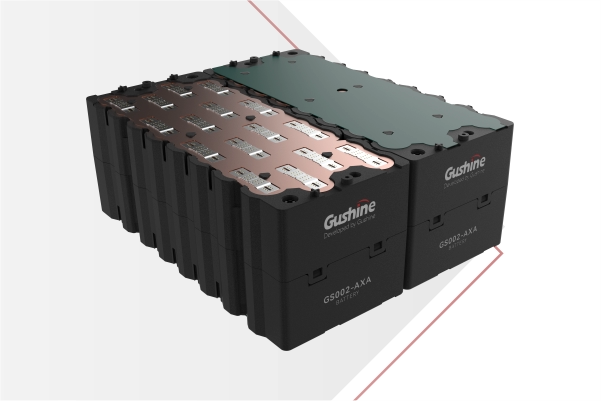
Once the requirements are established, the design and engineering phases commence. Custom battery packs for medical devices are engineered with advanced safety circuits and balancing circuits to ensure reliability. During this stage, a built-in Battery Management System (BMS) is also designed to monitor battery health and performance, providing real-time data to ensure safe operation. This engineering phase is crucial as it sets the foundation for the battery pack's performance and operational safety, especially given the critical nature of medical applications.
After finalizing the design, the production process begins in facilities certified to ISO 13485, ensuring compliance with stringent quality management standards for medical devices. Manufacturing is subjected to rigorous quality assurance protocols, where each batch of medical equipment battery packs undergoes thorough testing. This includes checks for consistency, safety, and durability to meet the necessary performance metrics. The focus on quality assurance throughout this phase is essential, as it ensures that every custom battery meets the high-performance standards required in healthcare applications.
Upon successful completion of manufacturing and quality checks, the final step is delivery. This involves packaging the custom medical device batteries for safe transportation and ensuring that all necessary documentation accompanies the products. Timely delivery is crucial in the healthcare sector, as many devices rely on prompt deployment for patient care. By focusing on streamlined logistics, manufacturers ensure that their clients receive the necessary power solutions without delay.
The development and delivery of custom battery packs for medical devices involve a meticulous process requiring attention to detail at every stage. From gathering requirements to engineering designs and adhering to quality manufacturing practices, the comprehensive approach taken ensures that these batteries perform safely and reliably in crucial medical applications.
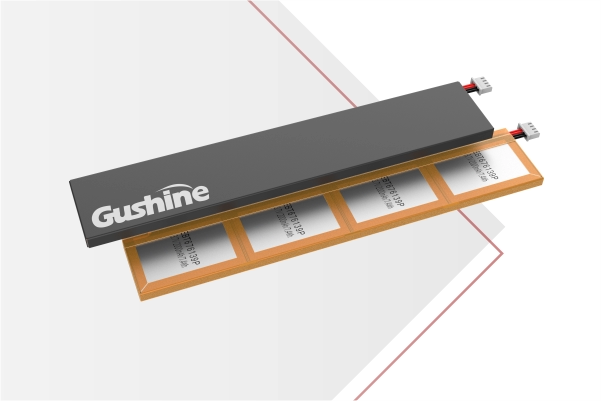
Gushine specializes in delivering high-quality custom batteries for medical devices, ensuring they meet the rigorous standards of the healthcare sector. We emphasize safety and reliability, helping professionals enhance their caregiving capabilities.




 Select a language

 The Right Way to Charge LiPo Batteries: Avoiding Common Mistakes