Gushine_POS Battery White Paper_V1_EN Download Now





In the realm of advanced technology, understanding the lifespan of batteries is essential for lithium polymer battery manufacturers and users. Among various battery types, lithium polymer (LiPo) batteries stand out for their lightweight design and impressive discharge rates. This article will explore the longevity of custom LiPo batteries, focusing on the factors influencing their lifespan and best practices for care.
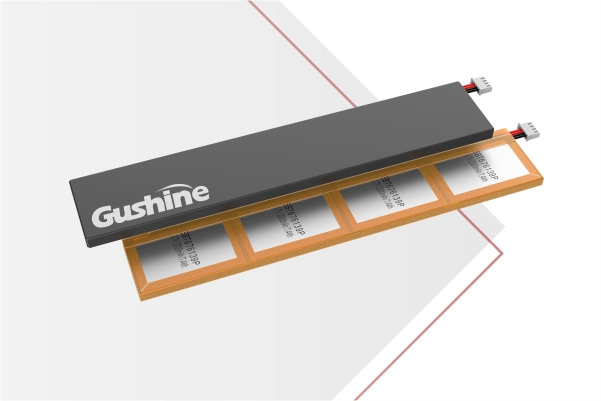
The lifespan of a custom LiPo battery is influenced by several important factors, including usage patterns, charging practices, and storage conditions. Typically, the way a battery is used significantly affects how long it will last. Regular high-load operations, if not managed correctly, can lead to quicker degradation.
Moreover, charging habits play a crucial role. Using non-compatible chargers or allowing the battery to fully discharge regularly can shorten its lifespan. Environment also matters; storing batteries in extreme temperatures can adversely affect their capacity over time. It is essential to follow manufacturer guidelines to enhance performance and longevity.
To maximize the lifespan of your custom LiPo battery, implementing best practices is vital. Firstly, always use a compatible charger designed for your specific battery type. This ensures that the correct voltage and charge settings are maintained, promoting longevity and performance.
Furthermore, avoid deep discharging of the battery. Many users erroneously believe that fully depleting their battery will improve performance, but this can cause irreversible damage over time. Instead, maintaining a charge between moderate levels can be beneficial.
Tailoring the battery to match the application is another key factor. Custom lithium polymer batteries can be designed to meet the specific power requirements of your devices, ensuring efficient and high-performance operation while extending overall lifespan.
Recognizing early signs of battery degradation can prevent serious performance issues. Users should regularly inspect their custom LiPo batteries for visual signs of wear, such as swelling or changes in shape. A decrease in capacity or the inability to hold a charge are also indications that the battery may need replacing.
Monitoring the battery’s charge cycles over time can provide insight into its overall health. Advanced battery management systems can help track these metrics, allowing for timely intervention before issues become critical.
Proactive maintenance, such as regular checks and following operational guidelines, can help users maximize the utility of their batteries and avoid potential risks associated with degradation.
In conclusion, understanding how to care for and maintain custom LiPo batteries is essential for maximizing their lifespan. By considering factors such as usage, charging practices, and proper storage, users can extend the longevity of their batteries significantly.
Committed to high-quality custom lithium polymer batteries, Gushine designs solutions to fit your specific needs. Known as a reliable name in lithium polymer battery manufacturing, we ensure our products offer dependable performance and durability across various applications. Rely on Gushine for lasting, customized power solutions.




 Select a language

 Understanding the Lifespan of LiFePO4 Batteries