Gushine_POS Battery White Paper_V1_EN Download Now





In recent years, LiFePO4 (Lithium Iron Phosphate) batteries have gained prominence in various applications, from renewable energy storage to electric vehicles. Their impressive durability and safety features make them a popular choice among manufacturers and consumers. This article explores the lifespan of a LiFePO4 battery, examining the factors that influence longevity and best practices for maintaining optimal performance.
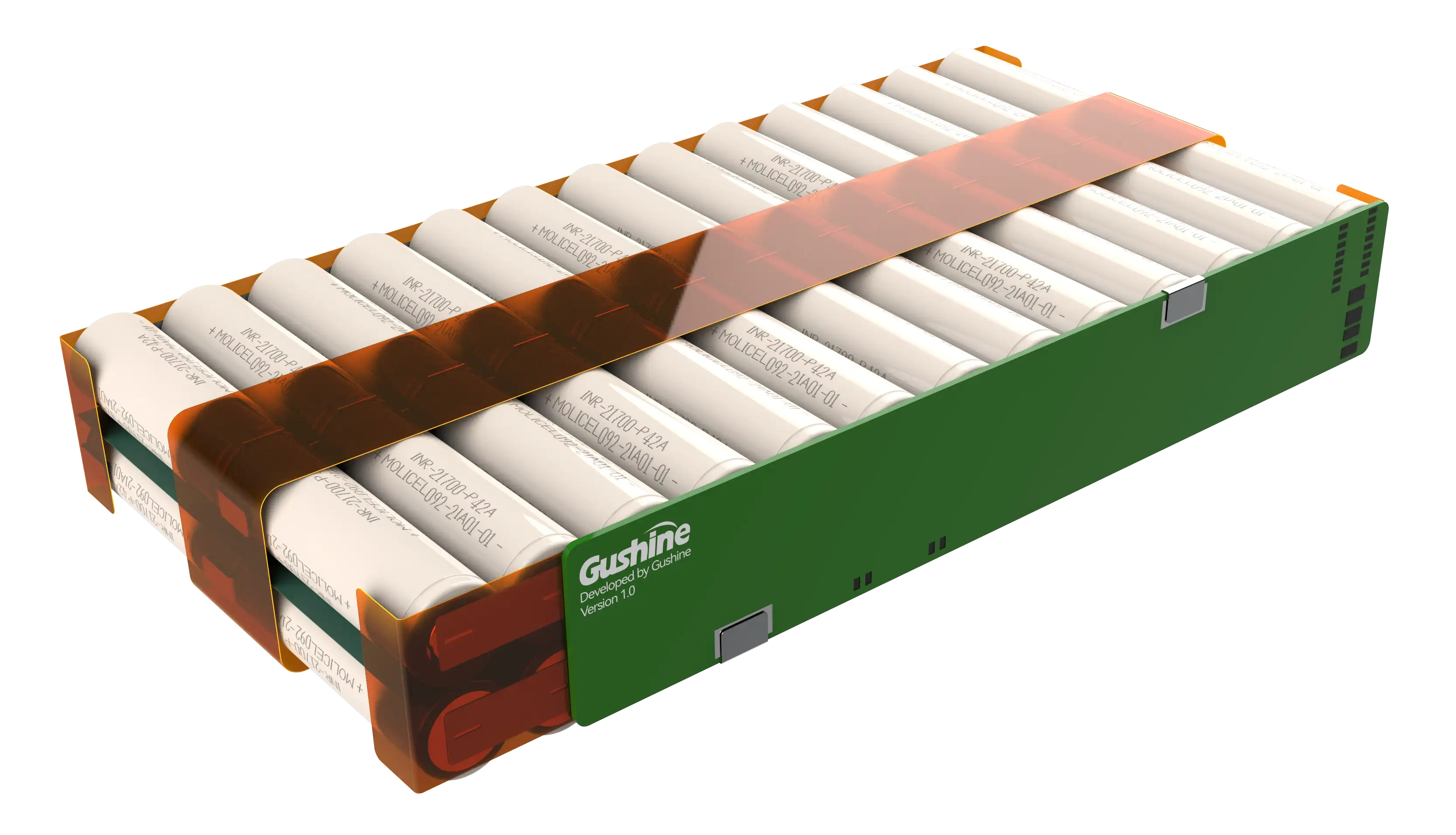
The lifespan of a LiFePO4 battery pack can be influenced by multiple factors, including usage patterns, charging habits, and environmental conditions. Generally, a well-maintained LiFePO4 battery can offer a substantial number of charge cycles, often exceeding those of other lithium-ion batteries. Unlike traditional lithium batteries, LiFePO4 offers enhanced thermal stability, which contributes to its longevity.
Moreover, the way the battery is used plays a pivotal role in its lifespan. Regularly discharging the battery to very low levels can affect its overall capacity and performance. For optimal longevity, it’s recommended to keep the battery within a specific charge range and avoid deep discharges. Additionally, the quality of the charging equipment can also impact the battery's health over time. Using compatible chargers helps to ensure that the LiFePO4 battery pack operates efficiently and receives the appropriate charge cycles.
To maximize the lifespan of your LiFePO4 battery, implementing a few best practices can make a significant difference. First and foremost, always utilize chargers specifically designed for LiFePO4 batteries. This ensures that the voltage levels are appropriate and align with the battery’s specifications, preventing potential damage.
Another important practice is to avoid exposing the battery to extreme temperatures. While LiFePO4 batteries are more robust than their lithium-ion counterparts, they still benefit from being stored in cool, dry environments. High heat can accelerate degradation, while excessively cold conditions might impact performance.
Additionally, regularly monitoring the battery’s state of charge can help maintain its health. Keeping the battery charged between 20% and 80% is advisable, as this strategy can significantly prolong its lifecycle. Investing in battery management systems can aid in tracking these metrics and optimizing battery use.
It’s essential to be aware of the signs of degradation in a LiFePO4 battery pack. Users should monitor for any visual indicators such as swelling, corrosion, or leakage. A drop in performance, such as a significant decrease in runtime or power output, may also signify that the battery is nearing the end of its useful life.
Additionally, it is wise to conduct periodic capacity tests to ensure the battery is performing as expected. If you notice a consistent inability to hold a charge or an unusually rapid decrease in capacity, it may be time to consider replacing the battery. Early identification of these issues can prevent potential risks and downtime associated with degraded batteries.
In summary, understanding the lifespan of a LiFePO4 battery involves considerations of usage, maintenance, and environmental factors. By following best practices and recognizing signs of degradation, users can extend the longevity of their LiFePO4 battery packs significantly.
Gushine is dedicated to high-quality LiFePO4 battery packs that offer exceptional performance and long life. Our batteries maintain stable operation across diverse temperatures and are popular in applications including energy storage systems and robotics. Rely on Gushine for customizable and reliable LiFePO4 battery solutions tailored to your specific needs.




 Select a language

 Understanding Charging Times for Two-Way Radios