Gushine_POS Battery White Paper_V1_EN Download Now





In the world of communication, two-way radios play a crucial role in ensuring seamless connectivity in various industries, from security to event management. A common question among users is, “How long do two-way radios take to charge?” This article will explore the charging times required for two-way radios, emphasizing the significance of using the right charging cradle and two-way radio charger.
The charging time for two-way radios can vary significantly based on several factors, including the battery capacity, the type of charging cradle, and the charging technology used. Most two-way radios are equipped with rechargeable batteries, and different battery chemistries—such as NiMH or Li-ion—can affect how quickly they re-energize.
Typically, when using a standard two-way radio charger, the charging time can range from one to several hours. For example, a fully drained lithium-ion battery may take anywhere from 1.5 to 3 hours to reach a full charge, depending on its capacity and the charger specifications. It’s important to check the manufacturer’s guidelines to understand the optimal charging time for your specific battery type.
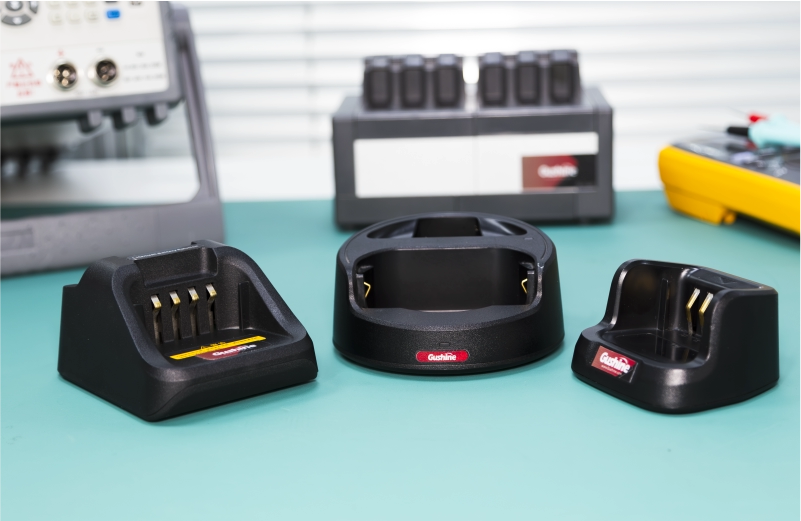
Using a suitable charging cradle is critical in determining how efficiently and safely a two-way radio charges. Advanced charging cradles are designed with dynamic charging adjustments that optimize the charging process for each battery’s chemistry. This ensures that the radio is charged in a controlled manner, minimizing risks associated with overcharging or overheating.
Additionally, modern charging cradles communicate with the battery packs in real time, which enhances safety and helps manage both the charging process and battery longevity. Features such as LED indicators can also provide users with clear feedback on the charging status, allowing for more effective monitoring.
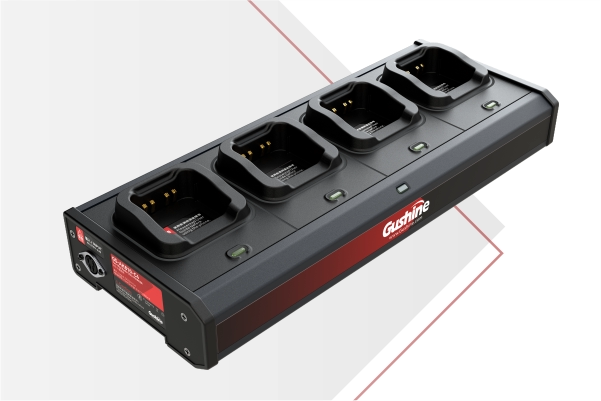
For organizations that rely on multiple two-way radios, investing in a multi-unit charger offers significant advantages. These chargers allow users to charge several devices simultaneously, increasing efficiency and reducing downtime. This is particularly beneficial in settings where communication is critical, such as in emergency services, security operations, and large events.
Multi-unit chargers often utilize advanced DC-DC technology for smarter charging management, adjusting the charging rate based on the battery’s state. This capability can prolong the life of the batteries and ensure that all devices are consistently ready for use when needed.
To maximize battery life and performance, proper charging practices are essential. Always use the recommended two-way radio charger and ensure that your charging cradle is fully compatible with your radios. Regular maintenance of both the charger and the batteries can also contribute to extended lifespan and efficiency.
In summary, the charging time for two-way radios can vary based on various factors, including battery capacity and the type of charging cradle used. Utilizing an appropriate two-way radio charger and adopting best practices can enhance both performance and safety.
Offering custom battery charger and charging cradle solutions, Gushine is dedicated to meeting the unique needs of two-way radios and other devices. Our advanced technologies enable dynamic charging adjustments and real-time communication with battery packs, ensuring efficiency and longevity. Trust Gushine for all your high-quality charging solutions to stay connected when it matters.




 Select a language

 Understanding LiFePO4: The Backbone of Modern Battery Technology