Gushine_POS Battery White Paper_V1_EN Download Now





In the realm of battery technology, the term LiFePO4 is increasingly becoming a focal point due to its significant advantages in performance and safety. This article will explore what LiFePO4 means in batteries, particularly focusing on LiFePO4 (Lithium Iron Phosphate) batteries and their growing relevance in various applications.
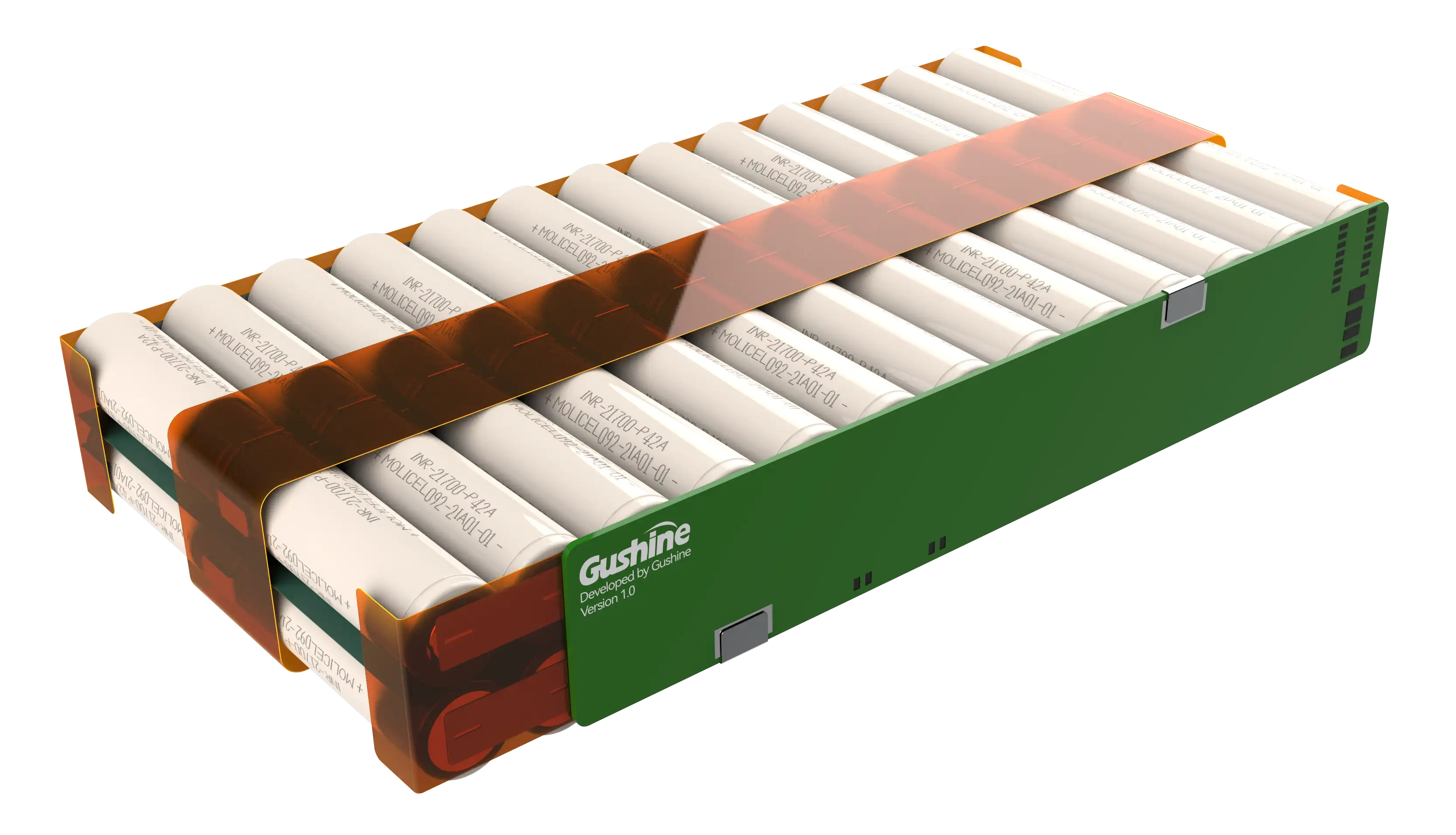
LiFePO4 stands for Lithium Iron Phosphate, a type of lithium-ion battery that utilizes iron phosphate as the cathode material. This composition contributes to several distinctive characteristics when compared to other lithium-ion batteries. LFP batteries feature a stable chemical structure, which enhances their safety and longevity. The use of iron phosphate not only makes LiFePO4 batteries safer—reducing the risk of overheating and combustion—but also supports an extended cycle life, making them ideal for high-demand environments.
Furthermore, LiFePO4 batteries have a relatively low energy density compared to other lithium-ion batteries. However, they compensate for this with excellent thermal stability and the ability to deliver high discharge currents, making them suitable for applications that require immediate power, such as in electric vehicles, energy storage systems, and portable devices.
One of the most notable features of a LiFePO4 battery pack is its exceptional cycle life. Typically, these batteries can withstand over 5000 charge and discharge cycles, greatly outperforming conventional lithium-ion batteries. This extended cycle lifespan translates to reduced replacement costs and enhanced sustainability.
In addition to cycle life, LFP batteries are known for their safety performance. The stable structural properties of LiFePO4 mean that these batteries are less prone to thermal runaway, a concern that can lead to battery fires in other lithium technologies. This safety feature makes LiFePO4 an appealing choice for applications where reliability is paramount, such as in electric vehicles and renewable energy systems.
Moreover, LiFePO4 batteries possess impressive discharge rates. They can meet the high current charge and discharge demands of high-power devices, ensuring consistent performance even under rigorous conditions. This capability is crucial for applications such as robotics, drones, and power tools, where energy demands can fluctuate rapidly.
When thinking about incorporating a LiFePO4 battery pack into your application, several considerations come into play. While they offer many advantages, it’s essential to assess specific requirements such as energy density, weight, and cost. Although LFP batteries may not provide the same energy density as some other lithium-ion technologies, their long lifespan and inherent safety make them a valuable investment over time.
In addition, understanding the charge and discharge cycles is vital for optimizing battery performance. Proper management can help maximize the lifespan and efficiency of the LiFePO4 battery pack, ensuring that it operates at peak performance throughout its life.
In summary, LiFePO4 batteries represent a significant advancement in battery technology, combining safety, longevity, and performance. Their use of iron phosphate as a cathode material results in batteries that are not only reliable but also environmentally friendly due to their longer lifespan, making them a strong choice for various applications.
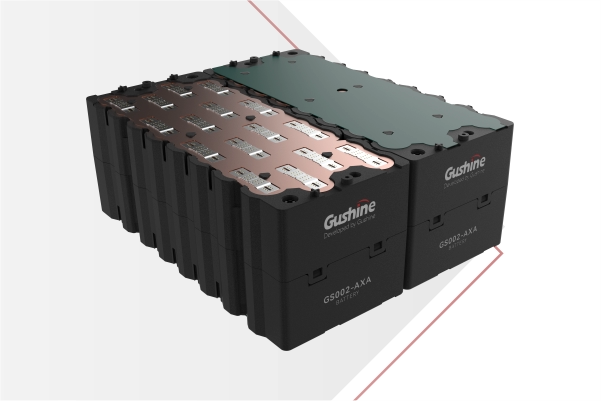
At Gushine, we provide high-quality custom LiFePO4 battery packs designed to meet the diverse needs of our customers. With a focus on exceptional cycle life, high discharge rates, and superior safety performance, our LFP batteries are tailored to provide reliable and efficient energy solutions for any project. Trust Gushine for cutting-edge LiFePO4 battery technology that meets your specific requirements.




 Select a language

 Evaluating the Safety of Portable Power Stations